 Italian
Two Independent Chambers for Simultaneous E-Motor Testing
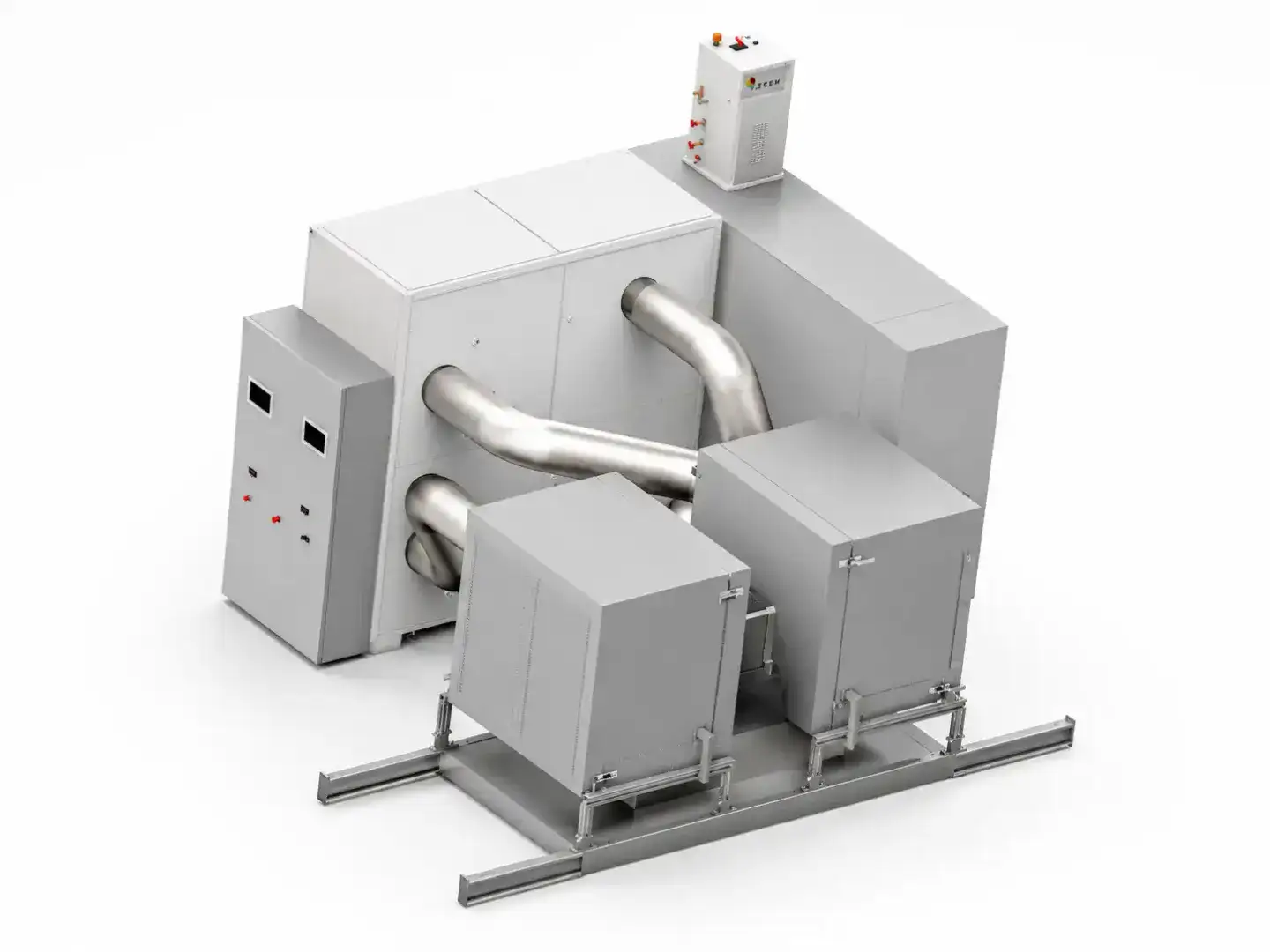
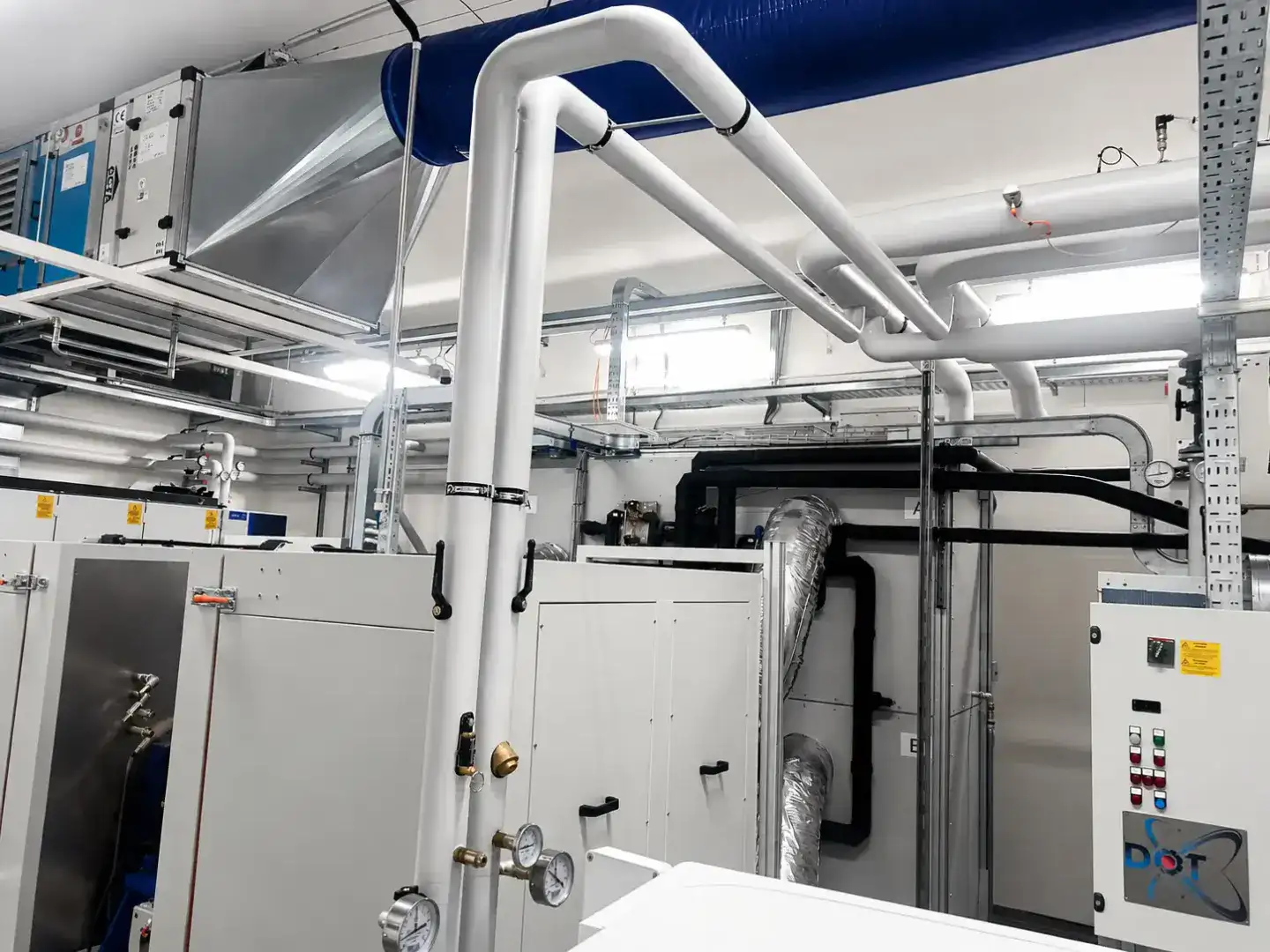
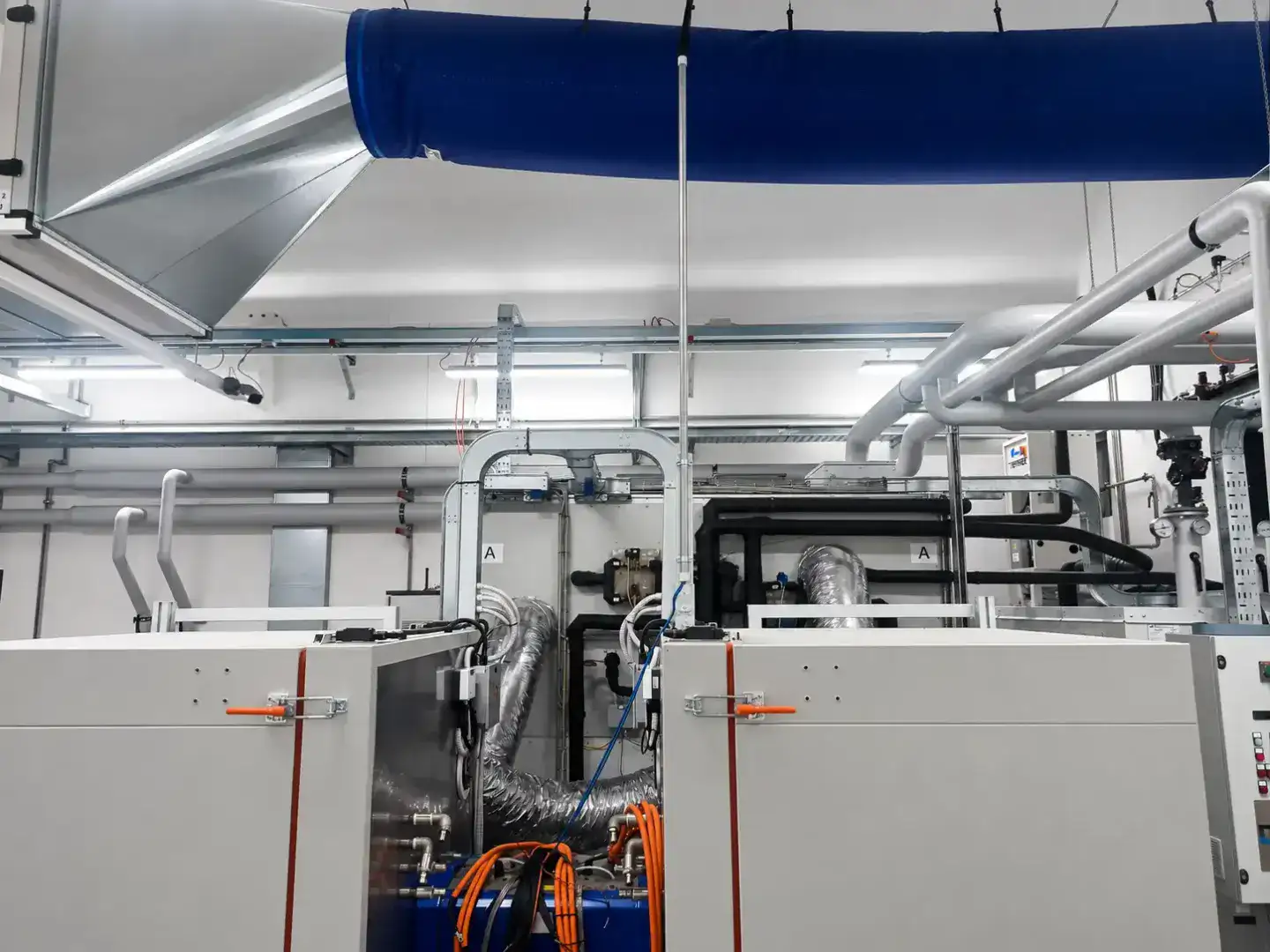
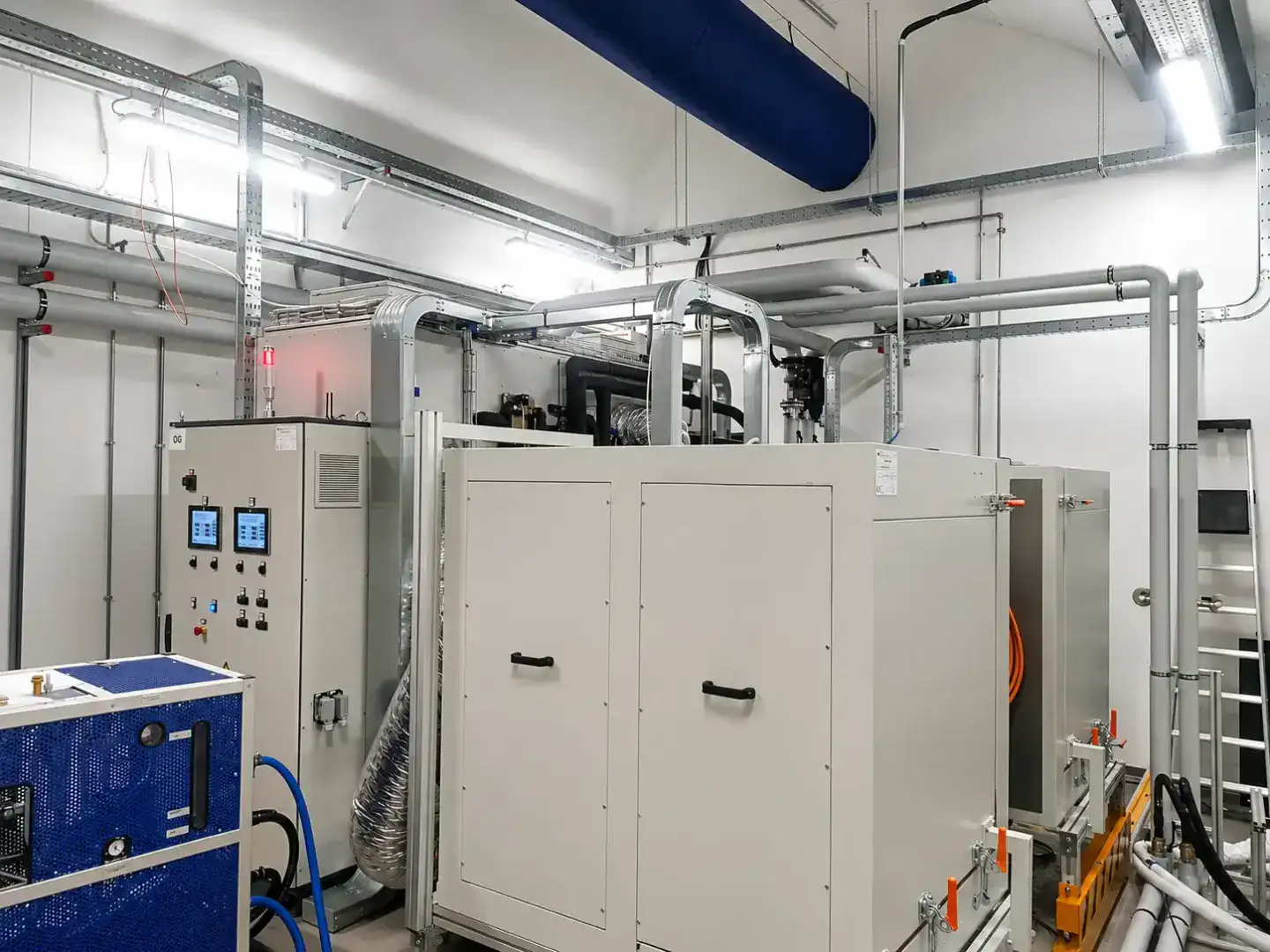
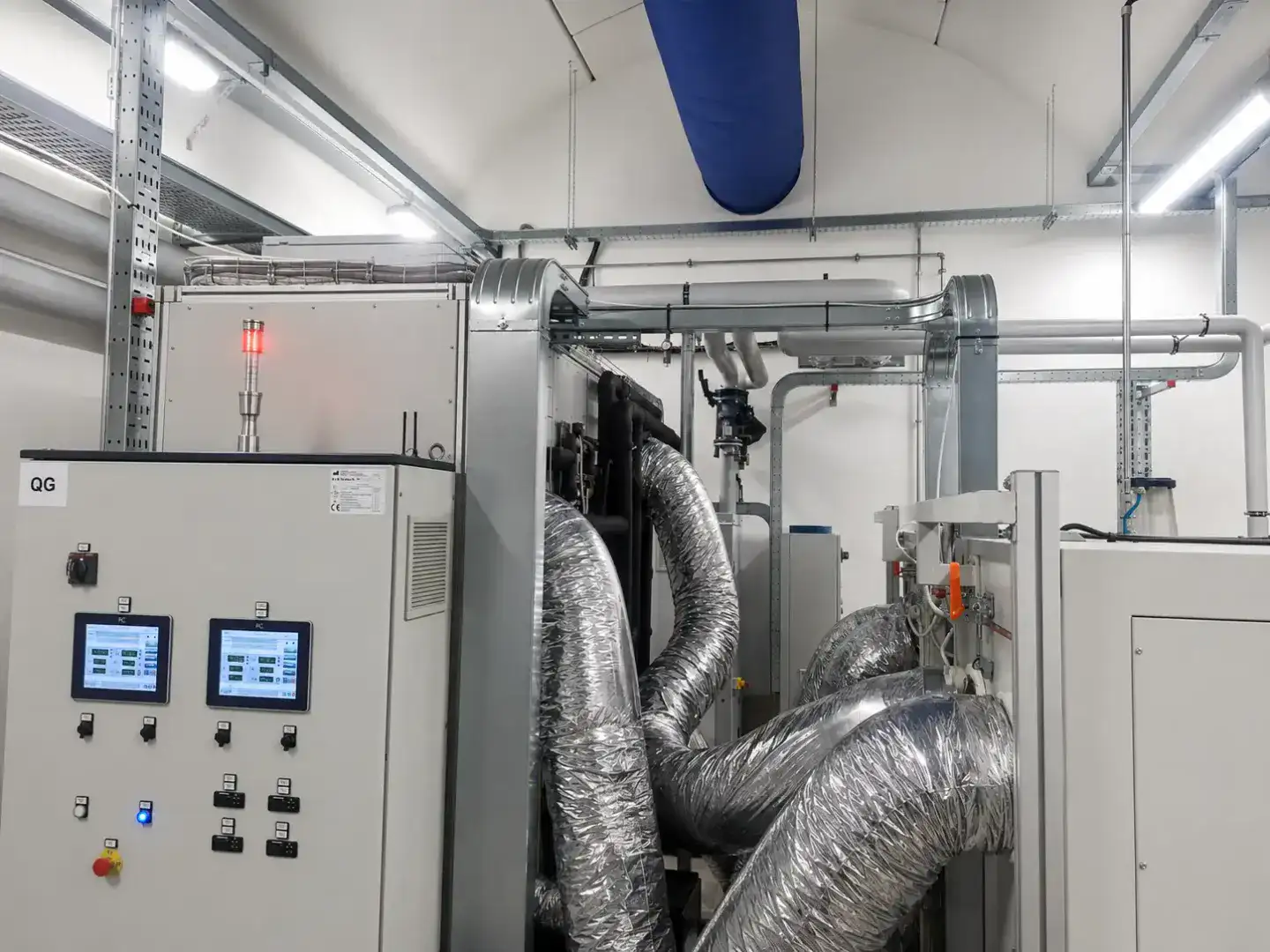
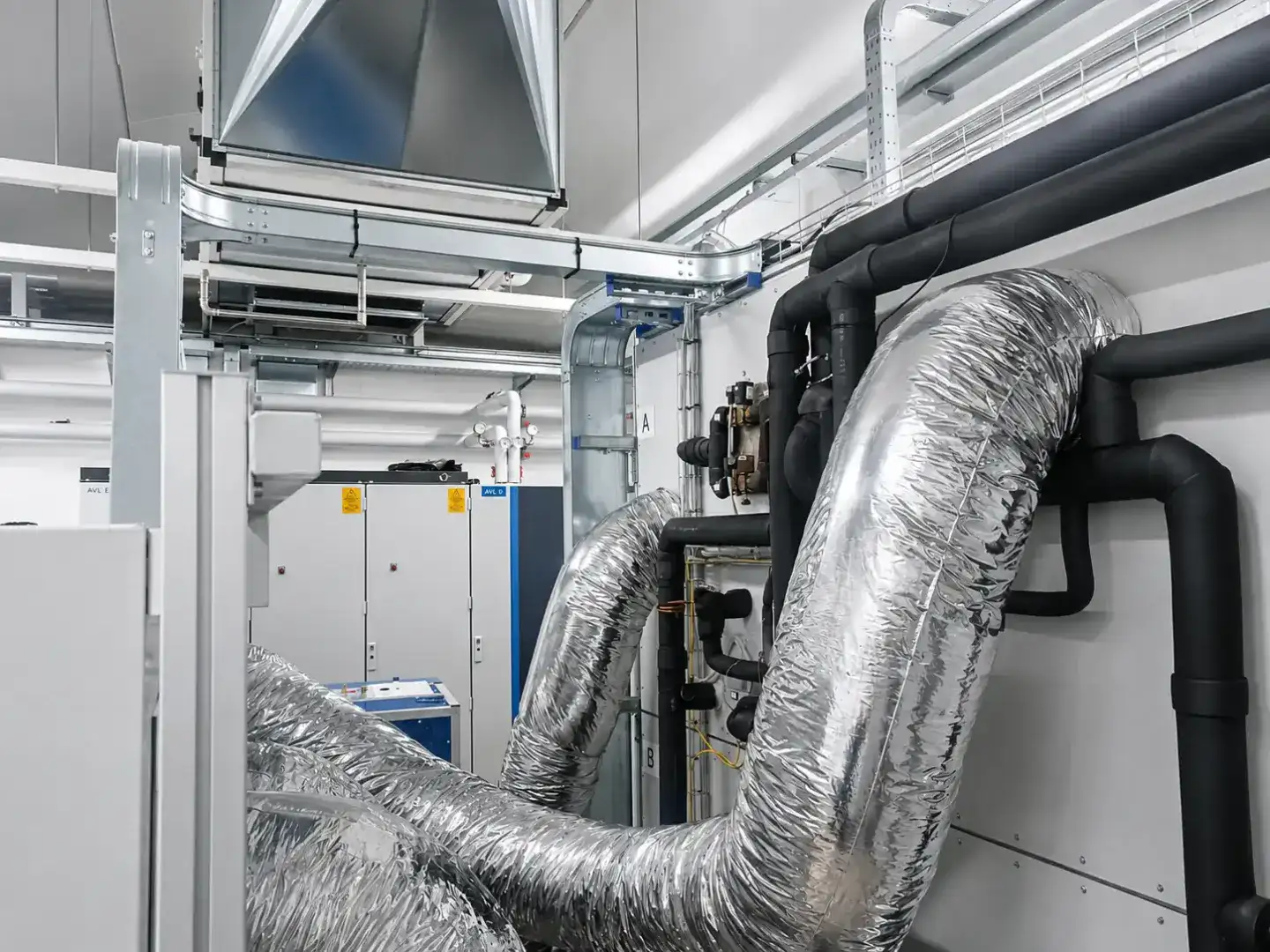
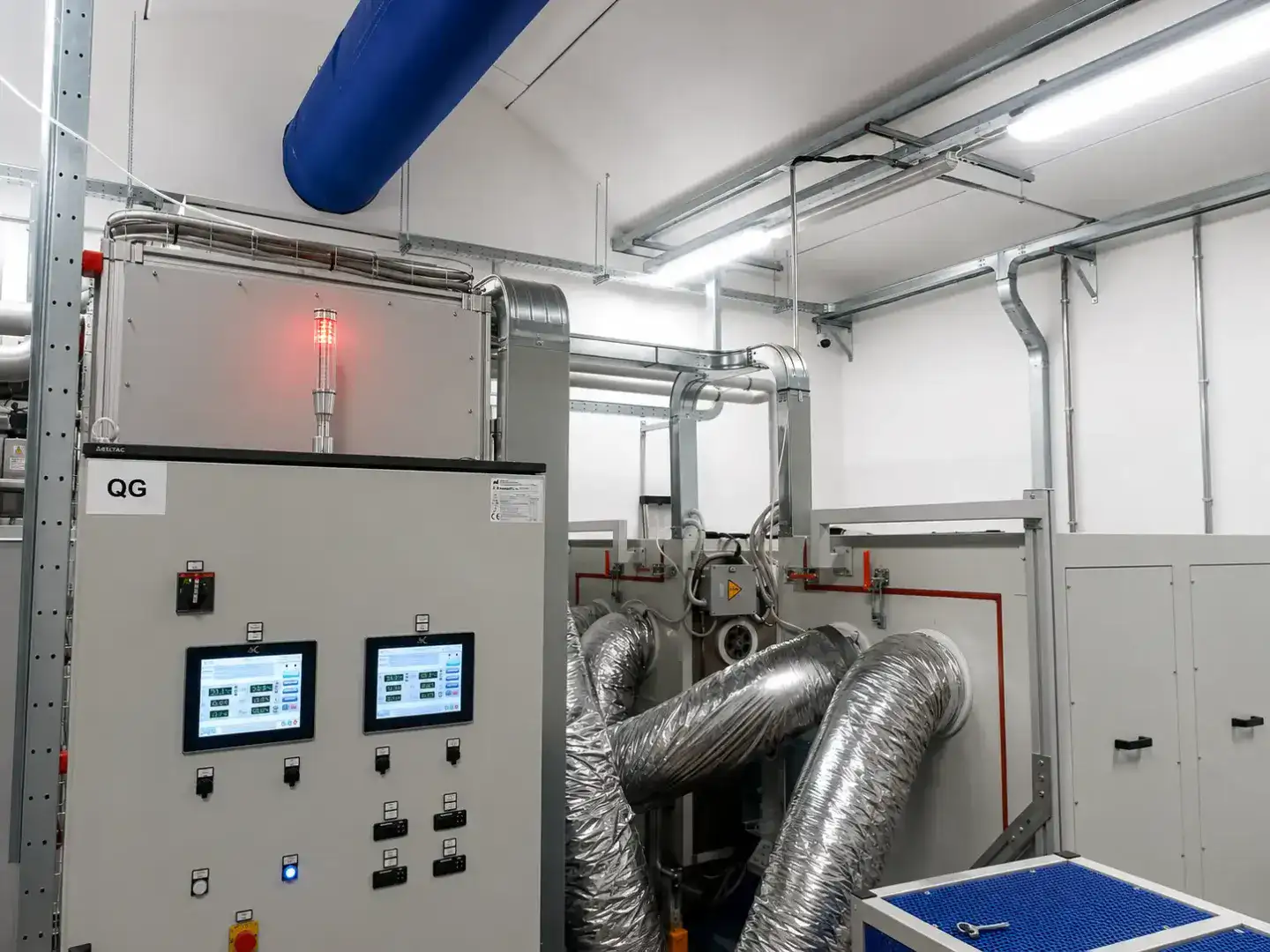
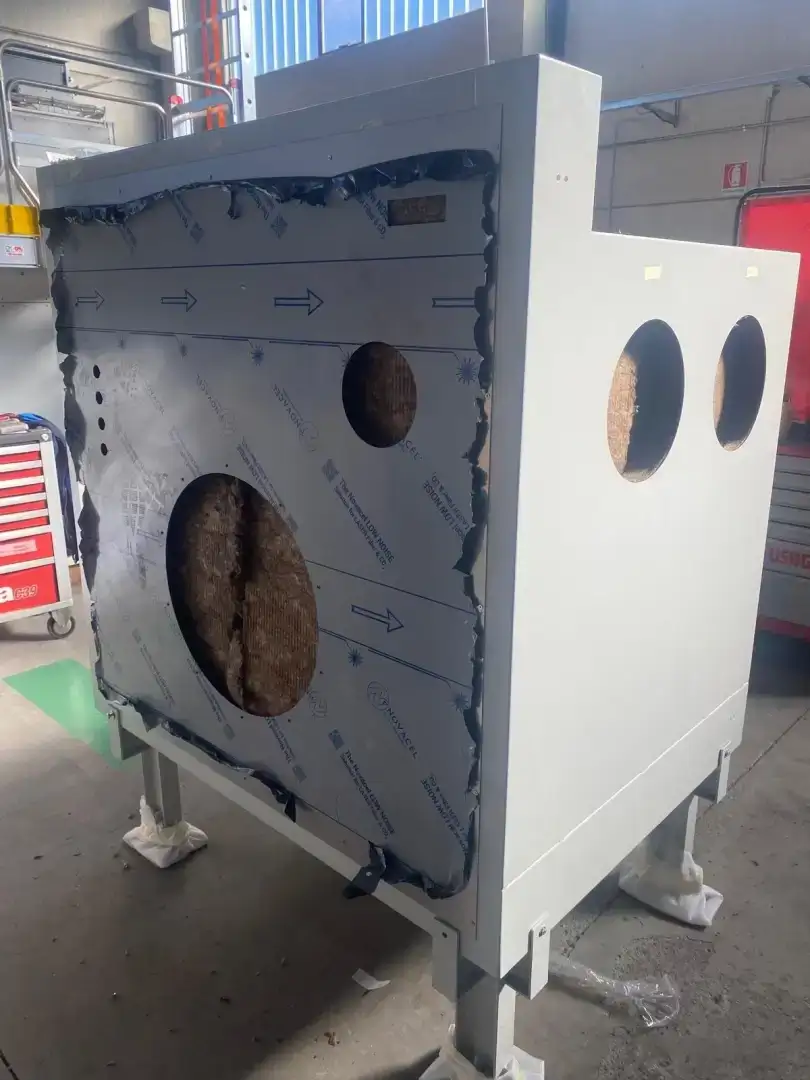
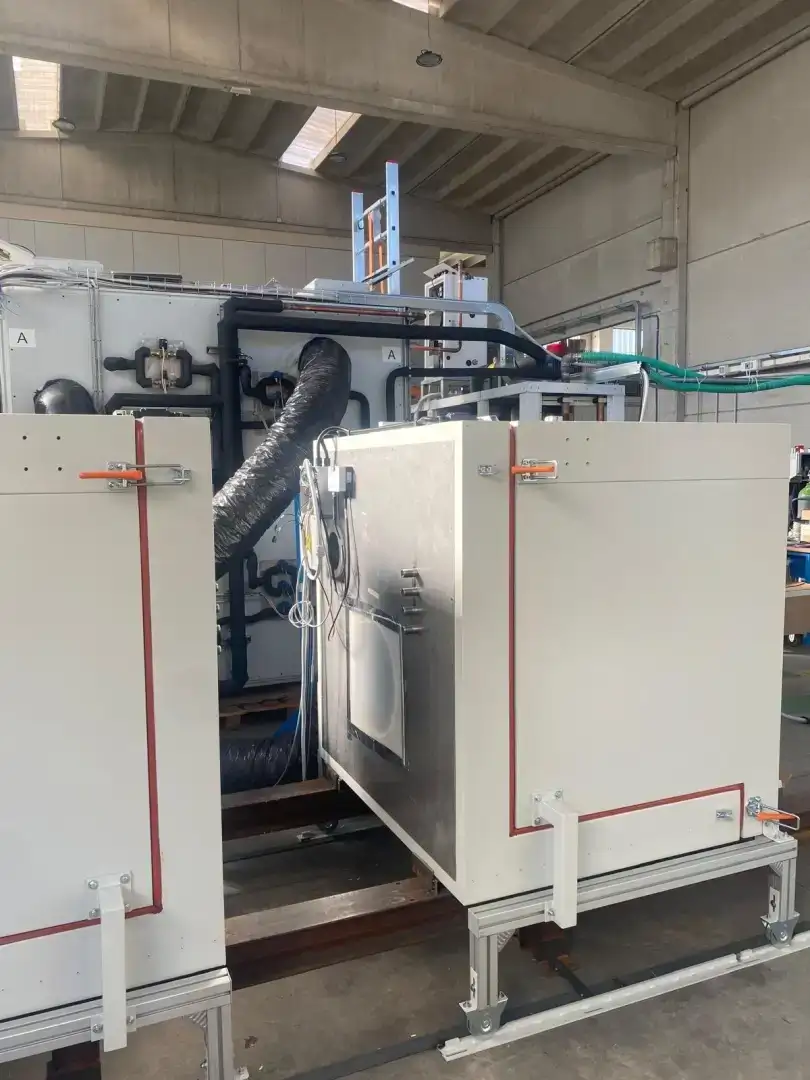
Il Disgelo developed for TEXA a DOT TCEM Back-to-Back climatic system consisting of two independent 1.2 m³ chambers, designed for simultaneous testing of two electric motors.
The chambers are connected to a separate ACU with two independent air-treatment systems, allowing the climatic conditions around each E-Motor to be controlled independently.
Developed Solution
The configuration is dedicated to E-Motor Back-to-Back applications, with two independent climatic environments integrated with the test bench.
Each chamber is connected to the ACU through insulated flexible ducts and includes dedicated feedthroughs for shafts, wiring and cooling circuits.
The solution includes:
- 2 independent 1.2 m³ chambers;
- Back-to-Back configuration;
- −40/+125 °C temperature range;
- 10–95% RH humidity;
- temperature change rates up to approx. 4 K/min;
- heat dissipation up to 6 kW per chamber;
- separate ACU with dual air treatment;
- integration with dynamometers and test benches;
- dedicated feedthroughs for shafts, wiring and fluids;
- CliMaLogic® control;
- integration with external data acquisition systems.
Main Technical Data
TCEM Back-to-Back
- number of chambers: 2;
- volume: approx. 1.2 m³ per chamber;
- internal dimensions: 1000 × 1000 × 1200 mm;
- temperature: −40/+125 °C;
- temperature accuracy: ±1 K;
- humidity: 10–95% RH;
- temperature change rates: approx. 4 K/min;
- heat dissipation at +20 °C: 6 kW per chamber;
- air flow: 3000 Nm³/h per chamber;
- DUT: E-Motor + dynamometer.
ACU
- configuration: dual independent air-treatment system;
- dimensions: approx. 2500 × 2200 × 2400 mm;
- installed power: 58 kW, up to 92 kW;
- refrigeration system: two-stage compressor;
- refrigerant: R452A or equivalent;
- cooling capacity: up to 107 kW;
- control: CliMaLogic®.
Result
The project enabled TEXA to implement a dedicated Back-to-Back climatic testing system for electric motors, with two independent chambers that can be controlled simultaneously.
The modular architecture and separate ACU allow integration with the dynamometer test bench and support different testing and validation cycles for electric drivetrain systems.
Recent Articles